
One of the most common mistakes is installing standard cables in applications that require constant movement.
At first glance, many cables look similar.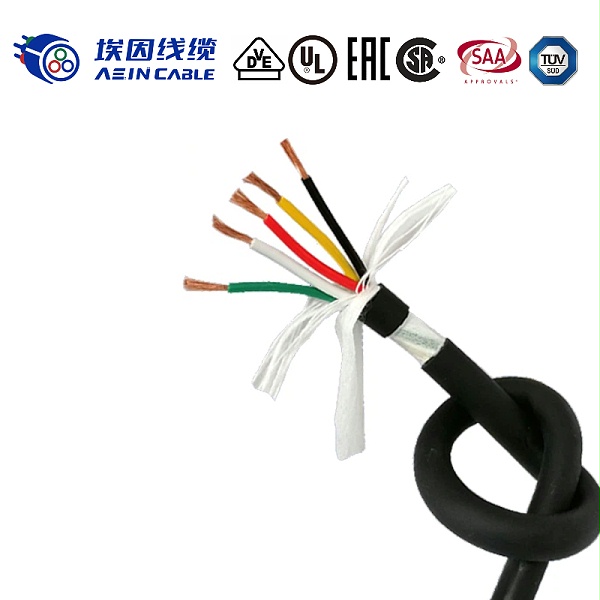
However, cables designed for static installations are fundamentally different from drag chain cables and robotic cables.
A packaging machine manufacturer once reported recurring cable failures every few months. After investigating the problem, engineers discovered that standard control cables had been installed inside a continuously moving drag chain.
The cables were never designed to withstand repeated bending.
The result:
Always select cables specifically designed for dynamic applications.
Look for:
When movement is involved, cable design matters.
Every cable has a minimum bending radius.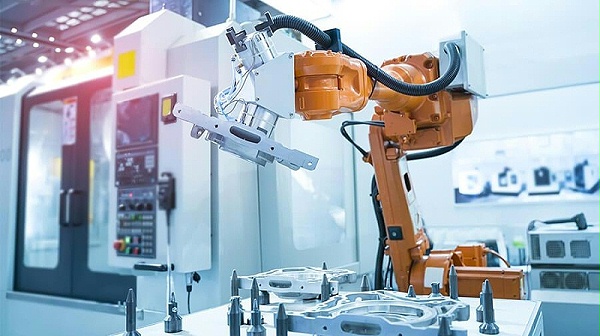
Exceeding this limit places excessive stress on conductors and insulation.
Imagine repeatedly bending a metal paperclip.
Eventually, it breaks.
Cable conductors behave in a similar way.
Many failures occur because installers attempt to save space by routing cables through extremely tight bends.
Over time, conductor strands begin to fatigue and fracture.
Follow the manufacturer's specified bending radius.
For dynamic applications, allow sufficient space within drag chains and cable carriers.
A properly routed cable can last years longer than one installed incorrectly.
Many buyers focus primarily on price.
As a result, PVC cables are sometimes selected for environments where PUR cables are the better solution.
PVC is economical and suitable for many industrial applications.
However, it may struggle in environments involving:
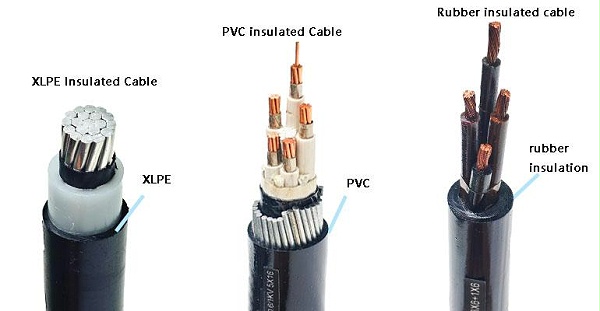
PUR jackets generally provide superior:
The initial cost difference is often insignificant compared to the cost of downtime.
Evaluate the operating environment before selecting jacket materials.
Ask:
The answers will help determine whether PVC or PUR is the better choice.
Modern factories contain:
All of these can generate electromagnetic interference.
Without proper shielding, nearby cables may experience:
Many engineers initially suspect the drive or controller when troubleshooting these issues.
The cable is often overlooked.
Use shielded cables where EMI is present.
Proper grounding is equally important.
A high-quality shield is only effective when installed correctly.
For servo systems, shielding is frequently essential rather than optional.
Even the best cable can fail if installed incorrectly.
Common installation mistakes include:
These issues create mechanical stress that shortens cable life.
A robotic welding system experienced repeated cable failures despite using premium robotic cables.
The root cause was not the cable.
The cable had been twisted during installation, creating continuous torsional stress beyond its design limits.
Follow installation guidelines carefully.
Pay attention to:
Installation quality often determines long-term reliability.
Industrial environments vary dramatically.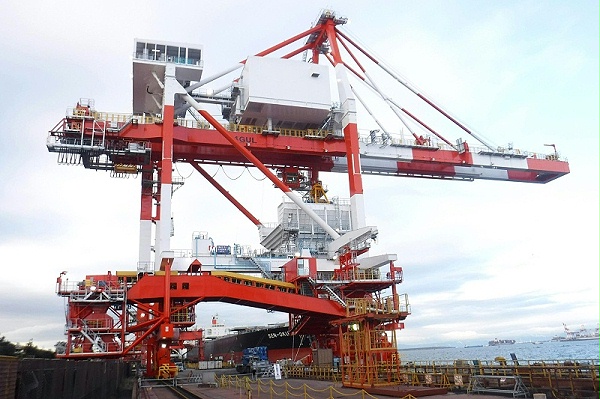
A cable that performs perfectly inside a clean factory may fail quickly in:
Environmental factors include:
Ignoring these factors can significantly reduce cable life expectancy.
Select cables designed for the specific environment.
For example:
The environment should always influence cable selection.
This may be the most expensive mistake of all.
When comparing quotations, it is tempting to focus only on unit price.
However, two cables that appear identical may differ significantly in:
A lower-priced cable may save a few dollars initially.
A production shutdown can cost thousands.
The true cost of a cable includes its performance throughout its entire lifecycle.
Preventing cable failure is often simpler than replacing failed equipment.
Here are five practical recommendations:
Do not use static cables in dynamic environments.
Avoid sharp bends and excessive stress.
Select PVC, PUR, rubber, or specialized compounds based on environmental conditions.
Use shielded cables when electrical noise is present.
Technical support during the selection process can prevent costly mistakes later.
Industrial cable failures rarely happen without warning.
In most cases, the root cause can be traced back to incorrect cable selection, installation errors, or environmental factors.
Understanding these seven common causes allows engineers and purchasing teams to make better decisions, improve system reliability, and reduce maintenance costs.
The right cable may cost slightly more upfront.
But in industrial automation, reliability is often worth far more than the purchase price.
Because when production stops, the most expensive component is usually not the cable—it is the downtime.
If you're evaluating cables for industrial automation, robotics, drag chain systems, or heavy-duty machinery, understanding the operating environment and application requirements is the first step toward long-term reliability.
CMP vs. CMR Cable: What's the Difference and Which One Should You Choose?
Shielded vs Unshielded Cable — Which One Should You Use In Servo Systems?