
1. Choosing the Wrong Cable Type for the Application
One of the most common reasons for cable failure is using a cable that is not designed for the working environment.
Different industrial applications require different cable structures:
For example, a standard PVC cable may work well in a fixed installation but can quickly fail when continuously moving inside a drag chain system.
Selecting the wrong cable type can lead to:
The correct cable design should always match the mechanical movement, electrical requirements, and environmental conditions.
2. Excessive Mechanical Stress and Continuous Bending
Industrial cables used in automation systems often experience constant movement.
Applications such as: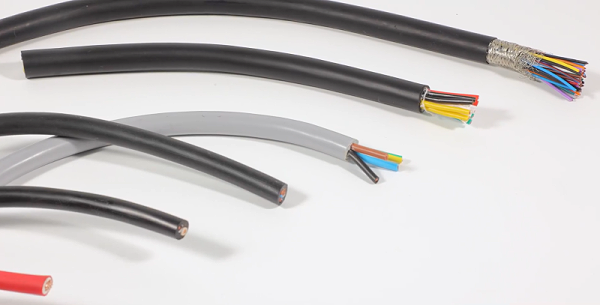
require cables to bend, twist, and move thousands of times every day.
A cable without proper flexibility may develop internal damage even if the outer jacket looks normal.
Common mechanical failures include:
High-flex cables and continuous-flex cables are specifically designed with special conductor structures, optimized insulation materials, and reinforced jackets to handle repeated movement.
3. Poor Cable Material Selection
The materials used in an industrial cable directly affect its service life.
Different environments require different jacket materials:
PVC Cable
PVC cables are cost-effective and suitable for many general applications.
PUR Cable
PUR (Polyurethane) cables offer excellent:
They are widely used in harsh industrial environments.
TPE Cable
TPE materials provide excellent flexibility and low-temperature performance.
Choosing an unsuitable material can cause:
A high-quality cable starts with selecting the right materials for the actual working conditions.
4. Insufficient Shielding Against Electrical Interference
Modern factories contain many sources of electromagnetic interference (EMI), including:
Without proper shielding, cables may experience electromagnetic interference, causing:
For signal-sensitive applications such as servo systems and encoder systems, shielded cables are often essential.
A well-designed shielded cable helps maintain stable signal transmission and improves the reliability of automated equipment.
5. Overloading and Incorrect Electrical Design
Another major cause of cable failure is electrical stress.
Using a cable that cannot handle the required:
can cause overheating and insulation deterioration.
Long-term overheating may result in:
Before selecting a cable, engineers should carefully evaluate:
Proper electrical calculation can significantly reduce the risk of premature failure.
6. Poor Installation and Maintenance Practices
Even the highest-quality cable can fail if installed incorrectly.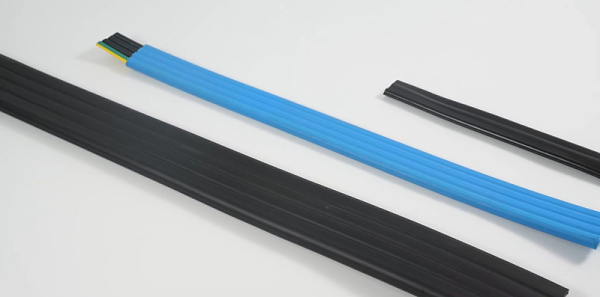
Common installation mistakes include:
For moving cables, installation is especially important.
A cable inside a drag chain should have enough space to move freely. Overfilled cable chains can create additional pressure and accelerate wear.
Regular inspections can help identify early warning signs before complete failure occurs.
7. Using Low-Cost Cables Without Considering Long-Term Cost
Many companies choose cheaper cables to reduce initial purchasing costs.
However, the cheapest cable is not always the most economical solution.
A low-quality cable may result in:
For industrial automation systems, the total cost of ownership is often more important than the initial cable price.
A reliable cable may have a higher upfront cost but provide:
In many cases, investing in a quality industrial cable can save significantly more money over the equipment lifecycle.
How to Prevent Industrial Cable Failure?
To improve cable reliability, companies should consider the following:
1. Select the correct cable for the application
Understand the requirements of your equipment, including: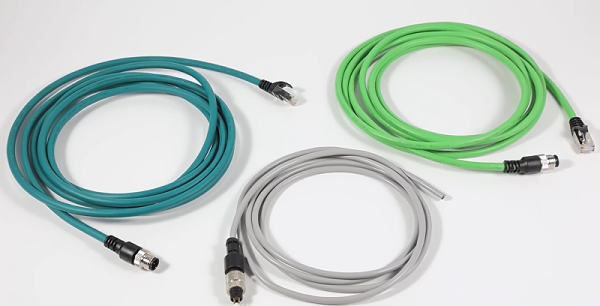
2. Choose a professional cable manufacturer
A reliable manufacturer can provide:
3. Follow proper installation guidelines
Always check:
4. Perform regular inspections
Early detection of cable wear can prevent unexpected production interruptions.
Looking for reliable industrial cable solutions?
AEIN Cable has over 14 years of experience in manufacturing:
• UL CMP Plenum Cable
• Servo Cable
• Drag Chain Cable
• Robot Cable
• Continuous Flex Cable
Visit https://www.aein-wirecable.com to explore our products and technical resources.